Why the lowest bid often costs the most
On critical infrastructure, the initial price is a small part of the lifetime cost. Here is how to read a bid like an engineer.
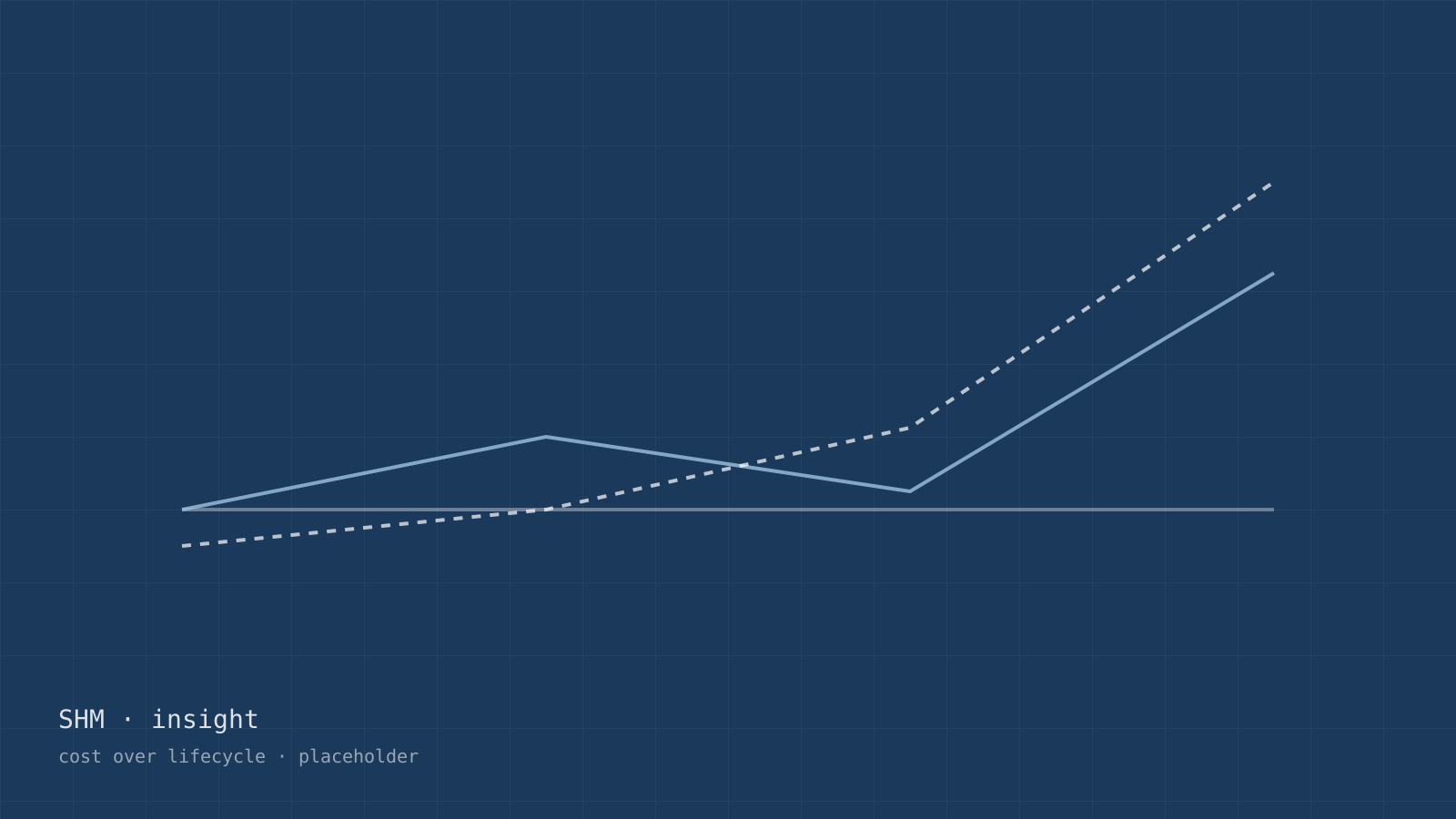
When a project must not fail for fifty years, the construction price is only the first instalment. The real cost is paid over the structure's whole life — in maintenance, in downtime, and, in the worst case, in failure.
The hidden line items
A bid that looks cheaper on day one often hides cost elsewhere:
- Thinner margins. Reduced safety factors lower the price and raise the risk.
- Deferred quality. Skipped testing surfaces as repair years later.
- Optimistic schedules. Delay has a cost, and so does a rushed pour.
Reading a bid like an engineer
The right question is not "what does it cost to build?" but "what does it cost to own?" A disciplined engineering review, honest schedules, and documented quality control are not overhead — they are how risk is removed before it reaches the site.
Cheapest to build is rarely cheapest to own.
This is the principle behind everything SHM does. We compete on the cost of failure, not the price of the bid.